In the world of fashion, dressing is an art form and a crucial way to showcase your personal style and charm. The following styling guide will help you easily elevate your fashion sense.
1. Understand Your Body Shape
This is the foundation of your outfit. Different body types have different strengths and areas for improvement. For example, an apple-shaped figure, with a fuller upper body, can opt for a V-neck top to elongate the neck and reduce the bulk of the upper body. Pair it with an A-line skirt or wide-leg pants to shift the focus. A pear-shaped figure, with a fuller lower body, can emphasize the waistline with a fitted top and flatter the legs with straight-leg pants or a full skirt. An hourglass figure boasts graceful curves, and waist-enhancing clothing, such as a cinched-waist dress or high-waisted suit, can enhance the figure’s overall appeal.
2. Master the Principles of Color Coordination
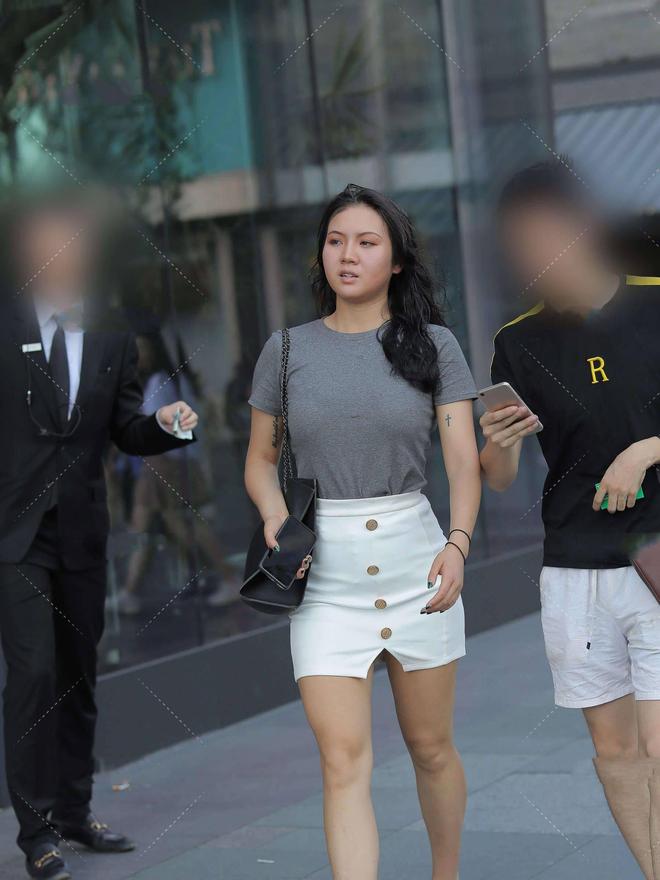
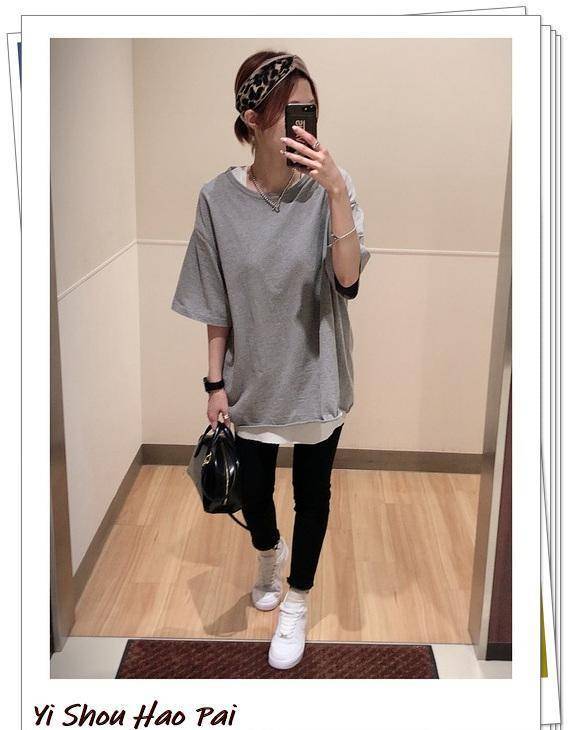
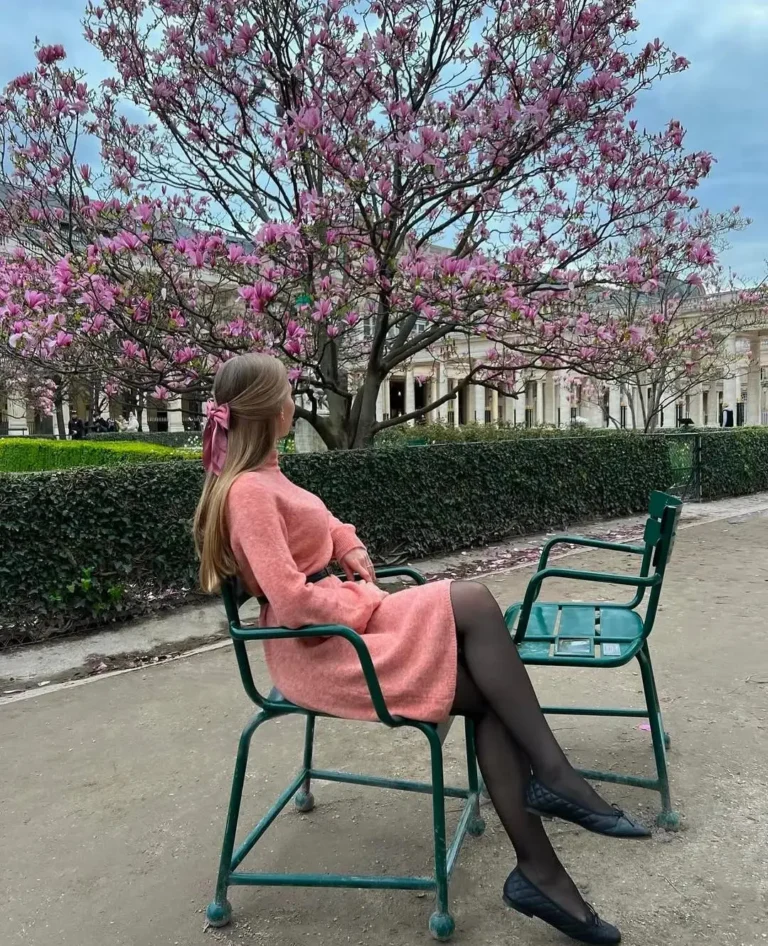
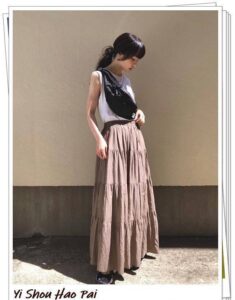
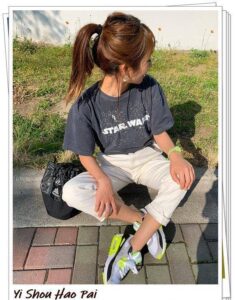
Color is the soul of your outfit. Basic colors like black, white, gray, and khaki are versatile and easy to use, making them a wardrobe staple. Try adding bright accents, such as a red bag or yellow shoes, to instantly elevate your look. Follow the principle of matching colors, choosing varying shades of the same color to create a harmonious and sophisticated look. Complementary color combinations, such as blue and orange, or purple and yellow, create a strong contrast and are highly eye-catching, but pay attention to the proportions; a 3:7 or 2:8 ratio is generally recommended.
III. Use Accessories Effectively
Even though small, accessories can add a finishing touch. A simple necklace can add a touch of flair to a plain top, and a textured silk scarf, tied around the neck or worn as a headscarf, can add elegance to an overall look. Hats are also a great accessory. Baseball caps are casual, berets are retro, and bucket hats are fashionable and versatile. Additionally, accessories like watches, bracelets, and earrings should be chosen and coordinated according to the overall style, avoiding overly complex elements that might overshadow the overall look.
IV. Dressing Tips for Different Occasions
(I) Workplace Dressing
Exude professionalism and competence. A classic suit is a good choice, focusing on dark colors such as black, dark blue, and dark gray. Choose a simple white or light blue shirt and pair it with a pair of mid-heeled leather shoes for a stylish and comfortable look. If the office atmosphere is more relaxed, try pairing a simple dress with a blazer for an intellectual flair.
(II) Casual Occasions
Strive for comfort and individuality. Jeans paired with a simple T-shirt and a denim jacket or cardigan create a casual yet stylish look. A sporty sweatshirt paired with sweatpants and sneakers creates a vibrant look. For shopping or a date, a floral dress paired with flat sandals or white sneakers creates a gentle and sweet look.
(III) Formal Occasions
For dinners, weddings, and other occasions, emphasize elegance and glamour. Women can choose long dresses, such as slim-fitting mermaids or elegant A-line skirts, in elegant colors like black, burgundy, or gold. Pair with exquisite high heels and sparkling jewelry. Men should opt for suits, such as a dark tuxedo or suit, paired with a tie and leather shoes, to exude a gentlemanly demeanor.
Dressing is a journey of self-expression. Through continuous experimentation and practice, and by applying these dressing tips, you will definitely find your own fashion style and be confident in different occasions.
About the Author